
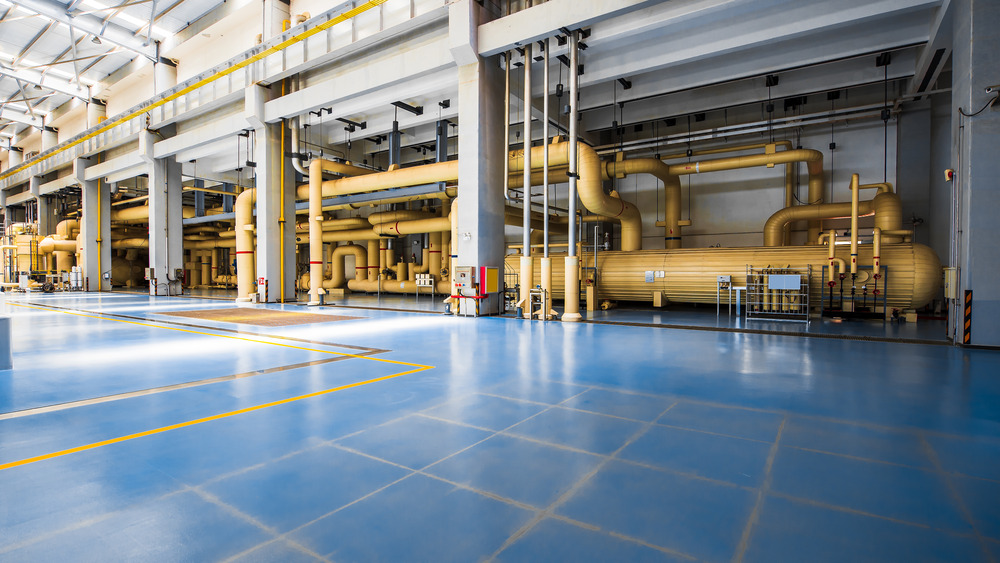
India’s industrial ecosystem is entering a new phase of growth, fueled by infrastructure expansion, manufacturing acceleration, and global supply chain shifts. As factories, warehouses, and production units evolve, one critical element is gaining renewed attention—industrial flooring. No longer just a base layer, flooring is now a performance-driven asset that directly impacts safety, efficiency, and operational longevity.
The Shift Toward High-Performance Flooring
In 2026, industries across India are prioritizing flooring systems that can withstand heavy machinery, high footfall, and extreme working conditions. Traditional concrete floors are increasingly being replaced or enhanced with advanced solutions like epoxy coatings, polyurethane (PU) systems, and polished concrete.
These materials offer:
- Superior durability
- Seamless finishes
- Resistance to chemicals and abrasion
- Reduced maintenance costs
For sectors like logistics, automotive, and manufacturing, this shift is not just about durability—it’s about minimizing downtime and maximizing productivity.
Safety and Compliance Take Center Stage
Workplace safety has become a non-negotiable priority. Industrial flooring is now designed with built-in safety features such as anti-skid surfaces, anti-static properties, and fire resistance.
Industries like pharmaceuticals, electronics, and food processing are especially focused on compliance with safety standards. The right flooring solution helps prevent accidents, ensures smooth operations, and supports regulatory adherence—making it a critical investment rather than an afterthought.
Rise of Sustainable Flooring Solutions
Sustainability is no longer a trend—it’s a mandate. Indian industries are actively adopting eco-friendly flooring materials that reduce environmental impact without compromising performance.
Key developments include:
- Low-VOC (Volatile Organic Compound) coatings
- Recyclable and long-life materials
- Energy-efficient installation methods
These solutions not only support green building initiatives but also enhance brand credibility in an increasingly conscious market.
Smart Flooring and Technology Integration
One of the most exciting developments in 2026 is the emergence of smart industrial flooring systems. Integrated with sensors, these floors can monitor wear, load pressure, and environmental conditions in real time.
This enables:
- Predictive maintenance
- Reduced operational disruptions
- Improved lifecycle management
As industries move toward automation and Industry 4.0, flooring is becoming an intelligent component of the infrastructure.
Demand for Customized Solutions
Every industry has unique requirements—and flooring is no exception. From temperature-resistant floors in cold storage units to hygienic, seamless surfaces in cleanrooms, the demand for customized flooring systems is on the rise.
Solution providers are now offering tailored applications that align with specific operational needs, ensuring better performance and longer lifespan.
Conclusion
The future of industrial flooring in India is being shaped by innovation, sustainability, and performance. As businesses continue to modernize, flooring will play a crucial role in creating safer, smarter, and more efficient industrial environments.
In 2026 and beyond, investing in the right industrial flooring solution is not just about infrastructure—it’s about building a strong foundation for long-term growth.