
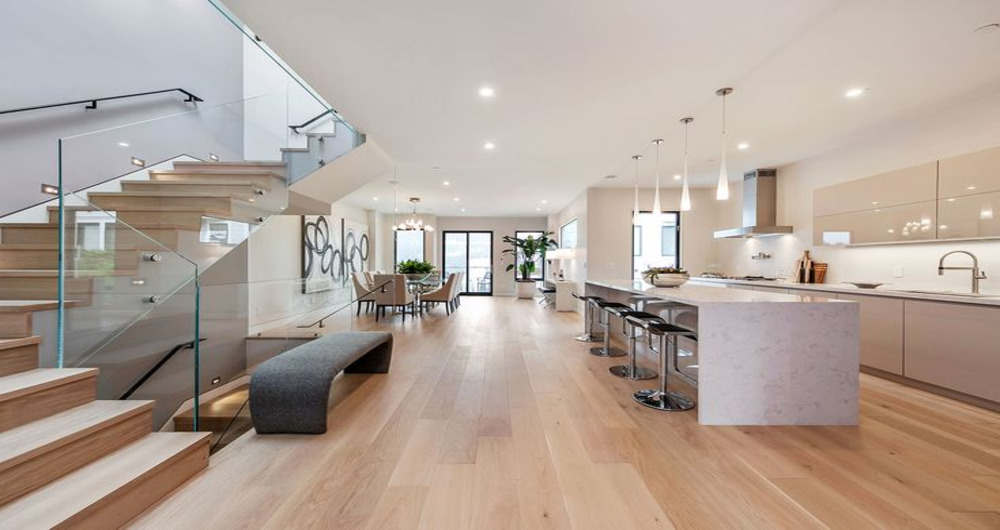
The SPC (Stone Plastic Composite) flooring industry is witnessing rapid growth as demand rises across residential, commercial, healthcare, hospitality, and retail sectors. In 2026, manufacturers are focusing on improving production efficiency through automation, smarter manufacturing practices, and sustainable operations. These advancements help reduce costs, maintain consistent quality, and meet increasing market demand.
Automation Improves Productivity
Automation has become a major driver of efficiency in SPC flooring production. Modern manufacturing facilities are using automated systems for material handling, extrusion, UV coating, cutting, and packaging. These technologies reduce manual intervention, improve consistency, minimize production errors, and increase output while lowering labor costs.
Smarter Manufacturing Processes
Digital production monitoring enables manufacturers to track machine performance, identify bottlenecks, and optimize production schedules. Predictive maintenance also plays a key role by detecting equipment issues before they lead to costly downtime, ensuring uninterrupted manufacturing operations.
High-Quality Raw Materials
Production efficiency begins with consistent raw material quality. Premium limestone powder, PVC resin, stabilizers, and wear layers contribute to better dimensional stability, stronger locking systems, and improved product durability. Reliable sourcing also helps reduce manufacturing variations and product defects.
Advanced Surface Technologies
Today’s buyers expect SPC flooring with realistic wood and stone finishes. Improvements in digital printing, embossing, and UV coating technologies allow manufacturers to create premium designs while maintaining fast production speeds. These innovations enhance both product quality and market competitiveness.
Strengthening Quality Control
Quality assurance is an essential part of modern SPC flooring manufacturing. Automated inspection systems monitor plank thickness, wear layers, dimensional accuracy, and overall product consistency throughout production. Strong quality control reduces waste, minimizes product returns, and strengthens customer confidence.
Sustainable Manufacturing
Sustainability is becoming a priority for flooring manufacturers worldwide. Many production facilities are adopting energy-efficient equipment, recycling production scrap, optimizing material usage, and reducing packaging waste. These practices not only lower environmental impact but also improve long-term operational efficiency.
Meeting Growing Market Demand
As commercial construction and infrastructure projects continue to expand, demand for SPC flooring remains strong. Manufacturers capable of delivering consistent quality, diverse product designs, and faster lead times are better positioned to meet customer expectations and strengthen their market presence.
Production efficiency is now a key competitive advantage in the SPC flooring industry. By investing in automation, digital manufacturing, advanced surface technologies, quality control, and sustainable practices, manufacturers can improve productivity while delivering high-performance flooring solutions. As the market continues to evolve, businesses that embrace these manufacturing trends will be well positioned for long-term growth and success.
Explore the Future of SPC Flooring at GFLOOR
As manufacturing technologies continue to evolve, staying connected with the latest innovations is essential for flooring professionals. GFLOOR – Global Flooring Solutions Expo, taking place 23–25 October 2026 at HITEX Exhibition Centre, Hyderabad, brings together SPC flooring manufacturers, machinery suppliers, raw material providers, technology innovators, architects, builders, distributors, and industry decision-makers under one roof. The expo offers a valuable platform to discover emerging production technologies, explore new business partnerships, exchange industry knowledge, and stay ahead of the market trends shaping the future of the flooring industry